Look Within Before You Judge Others: The Art of Self-Reflection, Self-Correction and Becoming a Better Human Being
A reflection on self-awareness, humility and why true growth comes from examining our own conduct rather than judging others.
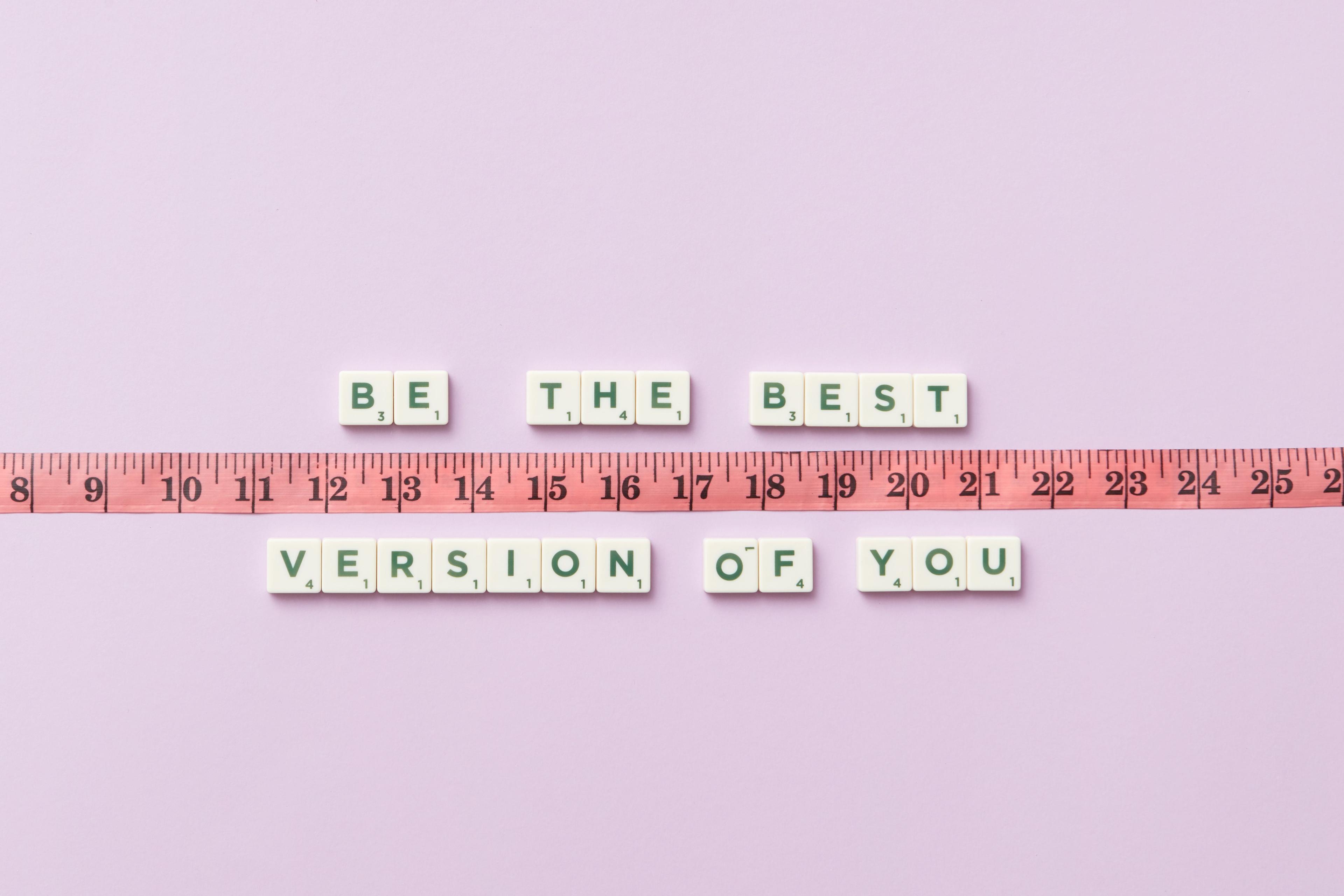
"It is easy to see the mistakes of others, but the habit of examining our own behaviour is what truly makes us better human beings."
One of the most common weaknesses of human nature is that we can easily recognise the mistakes, shortcomings and undesirable habits of others, yet often fail to notice similar weaknesses within ourselves. We are quick to criticise how others speak, behave or make decisions, but seldom pause to examine our own words, actions and attitudes.
We may believe that identifying the faults of others makes us wiser, more capable or morally superior. However, true wisdom lies not in discovering the weaknesses of others, but in having the courage to recognise and correct our own.
The real measure of personal growth is not how many faults we find in others, but how honestly we examine ourselves and how sincerely we try to improve.
Everybody Has Good Qualities and Room for Improvement
No human being is perfect. Every individual possesses some good qualities, while certain habits, attitudes or behaviours may require improvement.
Some people are kind and generous but easily lose their temper. Others are intelligent and hardworking but lack patience. Someone may help strangers yet remain insensitive towards family members. Another person may be religious but struggle with ego, jealousy or intolerance.
These examples remind us that human nature is complex. We should not judge an entire person by a single mistake or weakness. Equally, we should not assume that our own good qualities make us free from shortcomings.
Every individual has the potential to become a better person. Our past mistakes do not have to determine our future, provided we are willing to learn, change and make sincere efforts.
Recognising our faults does not mean considering ourselves inferior. Rather, it is an opportunity to understand ourselves more deeply and become wiser, kinder and more responsible.
Everyone has something good to offer, and everyone has something to improve. The willingness to learn is what makes the difference.
Why Do We Find Others' Mistakes So Easily?
The human mind often finds it easier to observe the behaviour of others than to examine its own. When someone speaks rudely, behaves selfishly or makes a wrong decision, we notice it immediately. But when we behave similarly, we may justify our actions by blaming circumstances or other people.
Our ego often prevents us from admitting that we, too, can be impatient, unreasonable, insensitive or mistaken. Criticising others gives us a temporary feeling of superiority, allowing us to overlook our own weaknesses.
This habit can become a serious obstacle to personal development. Instead of learning from our experiences, we become occupied with judging others. We waste precious time discussing their shortcomings while ignoring opportunities to improve our own conduct.
Before criticising another person, we should pause and ask ourselves:
Have I ever made a similar mistake? Was my own behaviour appropriate in that situation? Could I have responded with greater patience, kindness or understanding? How might my words or actions have affected the other person? Is my criticism intended to help, or merely to prove that I am right?
These questions encourage us to replace judgement with understanding and arrogance with humility.
Examine Your Own Behaviour Every Day
Self-examination is one of the simplest yet most powerful ways to bring positive changes into our lives. We should regularly reflect on how we speak, how we treat others and what effect our behaviour has on those around us.
Perhaps we spoke harshly to a family member when a gentle response would have been more appropriate. Perhaps we lost patience with someone who needed our understanding. Maybe we ignored another person's feelings because we were too occupied with our own concerns.
Such moments offer valuable lessons if we are willing to examine them honestly.
At the end of each day, we can ask ourselves: Did I speak respectfully to everyone? Did I hurt anyone through my words, anger or behaviour? Did I listen patiently when someone disagreed with me? Did I allow ego or jealousy to influence my decisions? Did I appreciate the good qualities of others? What could I have done better today? What positive change will I try to make tomorrow?
The purpose of this exercise is not to blame ourselves or dwell on past mistakes. It is to learn from our experiences and make better choices in the future.
Even a small improvement in our behaviour, practised consistently, can transform our personality and relationships over time.
Self-Reflection: The Path of Swadhyay
Indian philosophy places great importance on Swadhyay, or self-study. It encourages us to examine our thoughts, habits, conduct and inner nature so that we may understand ourselves better.
Self-reflection helps us identify the difference between the person we are today and the person we aspire to become.
When we honestly examine our conduct, we gradually become more aware of our weaknesses. We learn to recognise when anger overcomes patience, when ego prevents us from apologising, when jealousy prevents us from appreciating others, and when selfishness stops us from sharing.
This awareness creates the possibility of change.
A person who practises self-reflection does not waste all their energy finding faults in others. Instead, they focus on cultivating good qualities within themselves. Their words gradually become more considerate, their behaviour more thoughtful and their thinking clearer.
As a result, they develop greater emotional maturity, inner peace and healthier relationships.
Self-reflection is not a sign of weakness; it is a sign of courage. It takes strength to face the truth about ourselves and wisdom to use that truth for improvement.
Accept Your Mistakes and Learn from Them
Making mistakes is a natural part of being human. What matters most is how we respond when we realise that we have made one.
Some people immediately become defensive, make excuses or blame others. Others accept their mistakes honestly, apologise where necessary and try not to repeat them.
The second approach leads to genuine growth.
Admitting a mistake does not reduce our dignity. On the contrary, it demonstrates honesty, maturity and self-respect. A sincere apology can heal a relationship, restore trust and prevent a small misunderstanding from becoming a lasting conflict.
Of course, saying sorry is only the beginning. We must also make a conscious effort to change the behaviour that caused the problem.
If we repeatedly lose our temper, we should practise patience. If we speak without thinking, we should learn to pause before responding. If we neglect the feelings of others, we should develop greater empathy.
Every experience, whether pleasant or painful, can teach us something valuable if we remain willing to learn.
A mistake becomes a valuable lesson when we acknowledge it, understand it and make a sincere effort not to repeat it.
Appreciate the Good Qualities of Others
An important part of self-improvement is learning to recognise and appreciate the goodness in other people.
Instead of feeling threatened by someone's intelligence, generosity, discipline or success, we should consider what we can learn from them. Appreciating another person's qualities does not diminish our own worth. It expands our understanding and encourages us to develop similar qualities.
If someone remains calm in difficult situations, we can learn patience from them. If another person serves others without expecting anything in return, we can learn generosity. If someone admits mistakes without hesitation, we can learn humility.
Appreciation reduces unnecessary comparison and jealousy. It encourages us to approach people with an open mind and a willingness to learn.
Rather than asking, "Why is this person better than me?" we should ask, "What good quality can I learn from this person?"
Such a change in attitude can make a remarkable difference to our personal development.
Let us remember that another person's goodness is not our defeat; it is an opportunity for us to become better.
Correct Others with Kindness, Not Arrogance
Focusing on our own improvement does not mean ignoring wrongdoing or remaining silent when someone causes harm. There are times when guidance, constructive criticism or firm action is necessary.
However, there is a considerable difference between helping someone improve and humiliating them for their mistakes.
Constructive advice is offered with respect, goodwill and the intention of bringing positive change. Fault-finding, on the other hand, often arises from ego, resentment or a desire to establish superiority.
If we genuinely wish to help someone, we should choose our words carefully, understand their circumstances and focus on correcting the behaviour rather than condemning the person.
We must also be willing to receive advice from others. It is unfair to expect everyone else to accept correction while refusing to acknowledge our own shortcomings.
A wise person knows when to speak, how to speak and when silence is more helpful than criticism.
Correct yourself before correcting others, and when you must correct others, do so with kindness, humility and understanding.
Humility Makes Us Truly Great
True greatness is not measured by how many arguments we win, how many faults we discover in others or how superior we appear in society. It is reflected in our conduct, our willingness to learn and our ability to treat others with dignity.
Humility does not mean considering ourselves inferior. It means recognising that we are human beings with limitations, just like everyone else.
A humble person can say, "I was wrong." They can apologise without feeling humiliated, accept advice without becoming defensive and appreciate another person's success without jealousy.
Such people are generally more open to learning because they do not assume that they already know everything.
When we stop comparing ourselves constantly with others and begin improving ourselves, our energy is directed towards meaningful progress. Instead of competing to prove who is better, we work towards becoming better than we were yesterday.
This is the foundation of genuine personal growth.
Every Day Is a New Opportunity to Become Better
Human beings are capable of changing their habits and attitudes through awareness, practice and determination.
An impatient person can develop patience. Someone who frequently becomes angry can learn to respond calmly. A selfish individual can cultivate generosity by sharing time, resources and affection. A person who has hurt others can take responsibility, seek forgiveness and work towards rebuilding trust.
Change may not happen overnight, and occasional setbacks are natural. What matters is the sincerity of our effort and our willingness to begin again.
We should never lose hope in ourselves or in others. Every new day offers an opportunity to improve our thoughts, refine our behaviour and strengthen our character.
Let us replace criticism with understanding, anger with patience, jealousy with appreciation, arrogance with humility and indifference with compassion.
We may not be able to control the behaviour of everyone around us, but we can take responsibility for our own actions. That is where our real power lies.
A Better Individual Can Help Create a Better Society
Imagine a family in which every member examines their own behaviour before blaming others. Imagine a workplace where people accept responsibility instead of making excuses. Imagine a society in which people appreciate one another's good qualities and offer constructive advice without humiliation.
Such an environment would naturally encourage trust, cooperation, affection and peace.
Positive change begins at the individual level. When we improve our own conduct, our families and communities can benefit from that improvement.
We cannot eliminate every fault in the world, but we can reduce the negativity that comes from our own words and actions. We can become more patient parents, more understanding friends, more responsible citizens and more compassionate human beings.
The journey towards a better society begins with the willingness of each individual to look within.
Conclusion: The Greatest Victory Is Over Our Own Weaknesses
Life is too precious and time too limited to be wasted constantly searching for the mistakes of others. Every moment spent in unnecessary criticism is a moment that could have been used to improve ourselves, strengthen our relationships or serve humanity.
Let us stop measuring our greatness by the weaknesses of others. Instead, let us measure it by our progress in honesty, kindness, patience, humility and wisdom.
Whenever we feel tempted to criticise someone, let us first examine our own behaviour. Whenever we discover a weakness within ourselves, let us treat it as an opportunity for improvement rather than a reason for despair.
Let us acknowledge our mistakes wholeheartedly, learn from every experience, appreciate the good qualities of others and make a sincere effort not to repeat the same errors.
True progress does not come from finding more faults in others, but from correcting our own. True wisdom lies in self-awareness, true strength in self-correction, and true greatness in becoming a better human being every day.
Let us make self-improvement our daily habit, kindness our natural response, humility our strength and service to humanity our purpose.
Before looking for a fault in another person, look within. You may discover that the most important person you can improve is yourself.
Comments
No comments yet — be the first to weigh in.